
Tooth Sensitivity
Why Teeth Hurt Even When There Is No Cavity
A sensitive tooth does not necessarily have a cavity. Teeth may become sensitive because of gum recession, exposed roots, enamel wear, erosion from acidic foods and drinks, aggressive brushing, grinding, cracks, whitening, or recent dental treatment.
To understand the familiar sharp “zing” from cold water or air, it helps to understand the layer underneath the enamel.
Beneath the enamel is dentin. Dentin contains thousands of microscopic channels called dentinal tubules. These tiny channels contain fluid and extend inward toward the pulp, where the tooth's nerves are located.
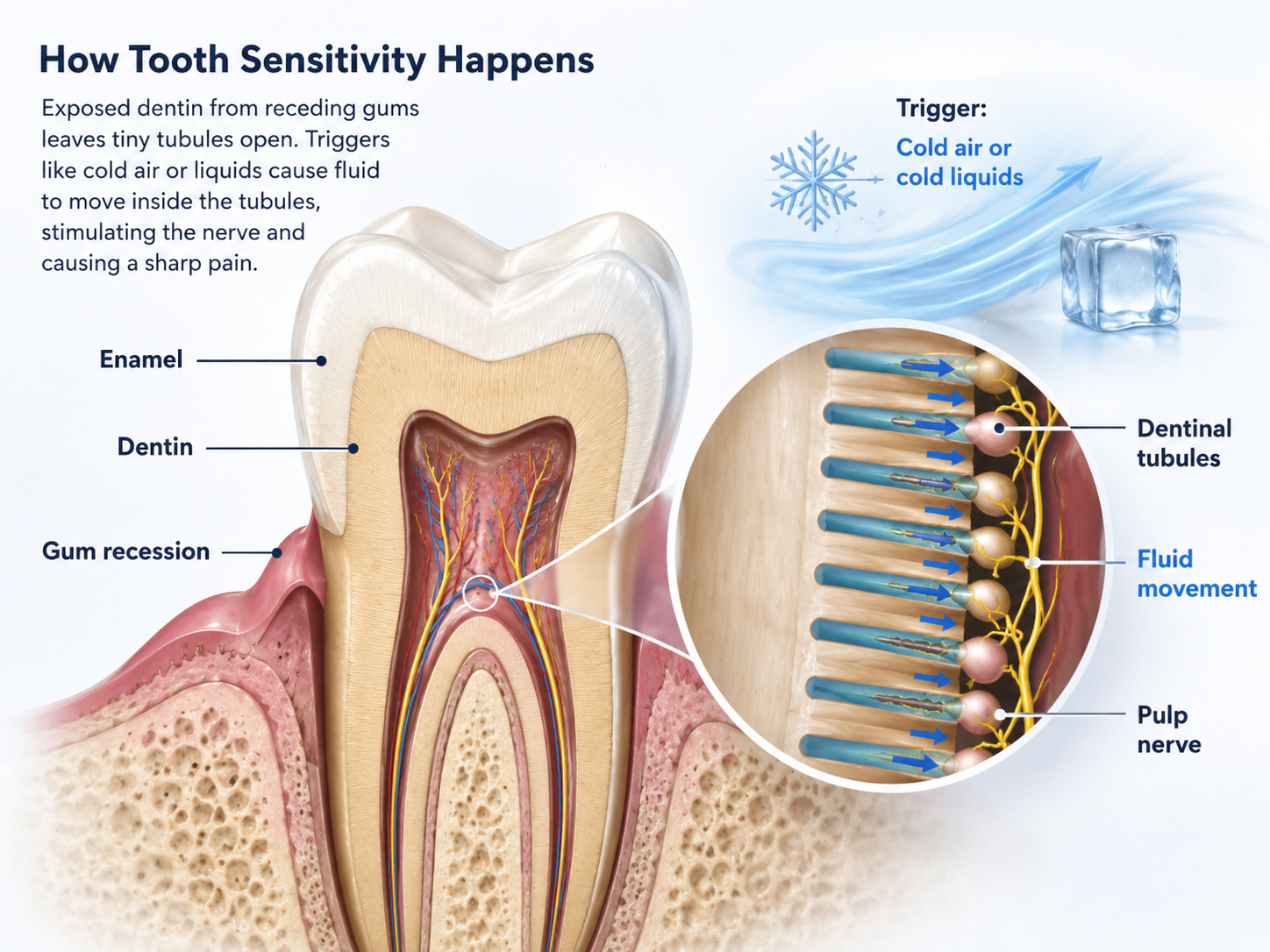
How tooth sensitivity happens
The Hydrodynamic Theory: Why Exposed Dentin Hurts
The most widely accepted explanation for dentin hypersensitivity is called the hydrodynamic theory.
When enamel normally covers the dentin, or healthy gum tissue covers the root surface, the dentinal tubules are protected. But if dentin becomes exposed, the openings of these tiny tubules may communicate with the mouth.
Cold drinks, hot foods, air, sweets, touch, or brushing can cause the fluid inside the tubules to move. That rapid fluid movement stimulates structures associated with the nerves inside the tooth, producing the characteristic short, sharp pain of tooth sensitivity.
This explains an important point:
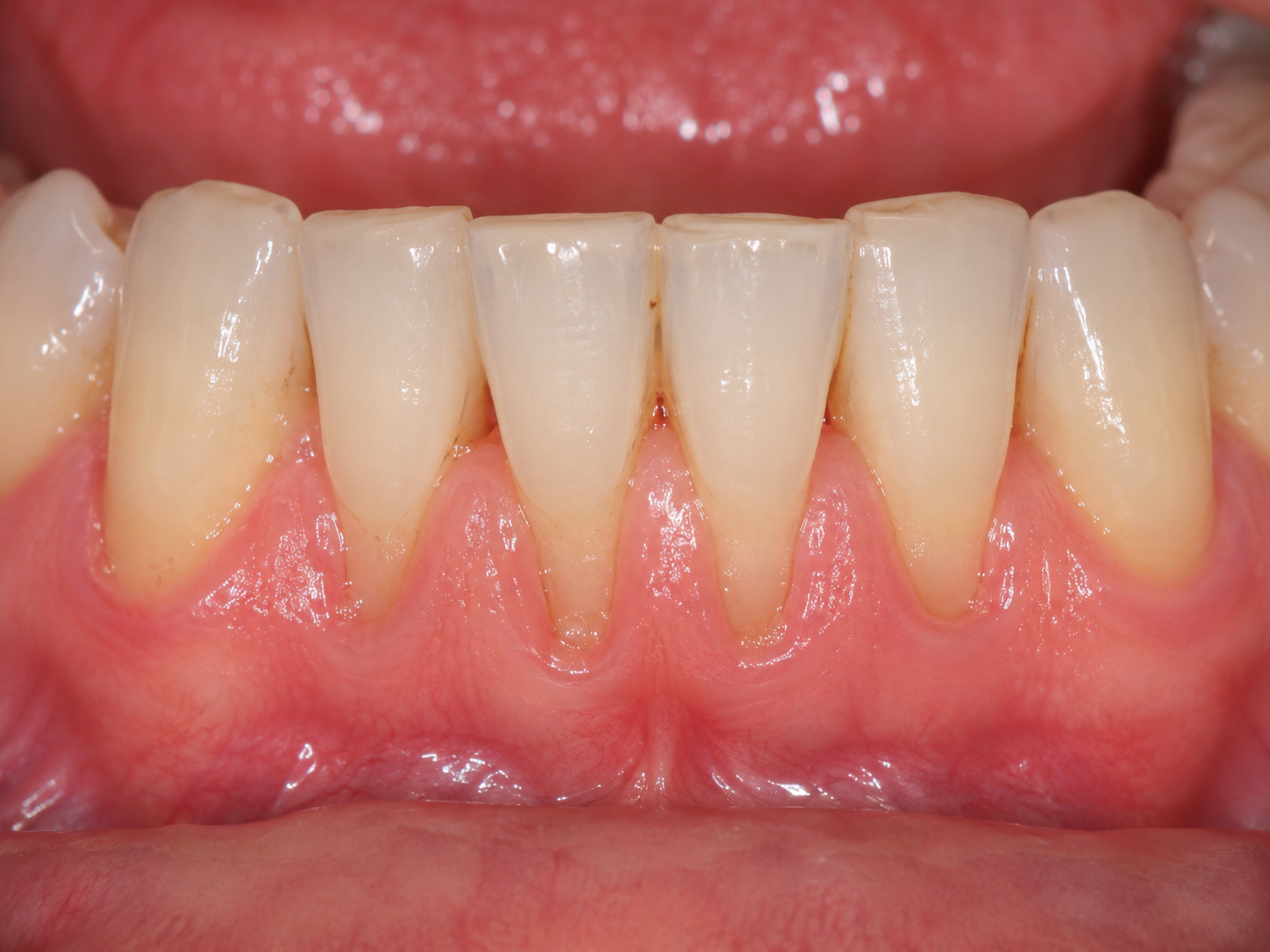
There does not have to be a cavity for a tooth to be sensitive. The dentin simply needs to be exposed and the dentinal tubules open enough for fluid movement to stimulate the tooth.
How We Treat Tooth Sensitivity at Morgan Heights Dental Centre
The first step at Morgan Heights Dental Centre is determining why the tooth is sensitive. Sensitivity caused by exposed dentin is treated differently from pain caused by decay, a cracked tooth, an inflamed dental nerve, or another dental condition.
We examine the sensitive area and consider when the pain occurs, what triggers it, how long it lasts, and whether there are signs of recession, enamel loss, wear, cracks, decay, or other problems. Persistent or lingering temperature pain can sometimes indicate a problem involving the dental pulp rather than simple dentin hypersensitivity.
Once the cause has been established, treatment may include one or a combination of the following approaches.
1. Desensitizing Toothpaste
For mild to moderate sensitivity, a desensitizing toothpaste may be the first step.
Different sensitivity toothpastes work in different ways. Some ingredients help reduce nerve responsiveness, while others help partially block or seal the dentinal tubules, reducing the fluid movement that triggers sensitivity. Regular use is usually more important than using the toothpaste only when the tooth hurts.
We can recommend an appropriate product based on the condition of the teeth and gums.
2. MI Paste
For some patients, we may recommend MI Paste, a topical tooth cream containing CPP-ACP, a milk-derived complex that supplies bioavailable calcium and phosphate.
Because CPP-ACP is derived from milk casein, MI Paste is not appropriate for patients with a milk-protein allergy.
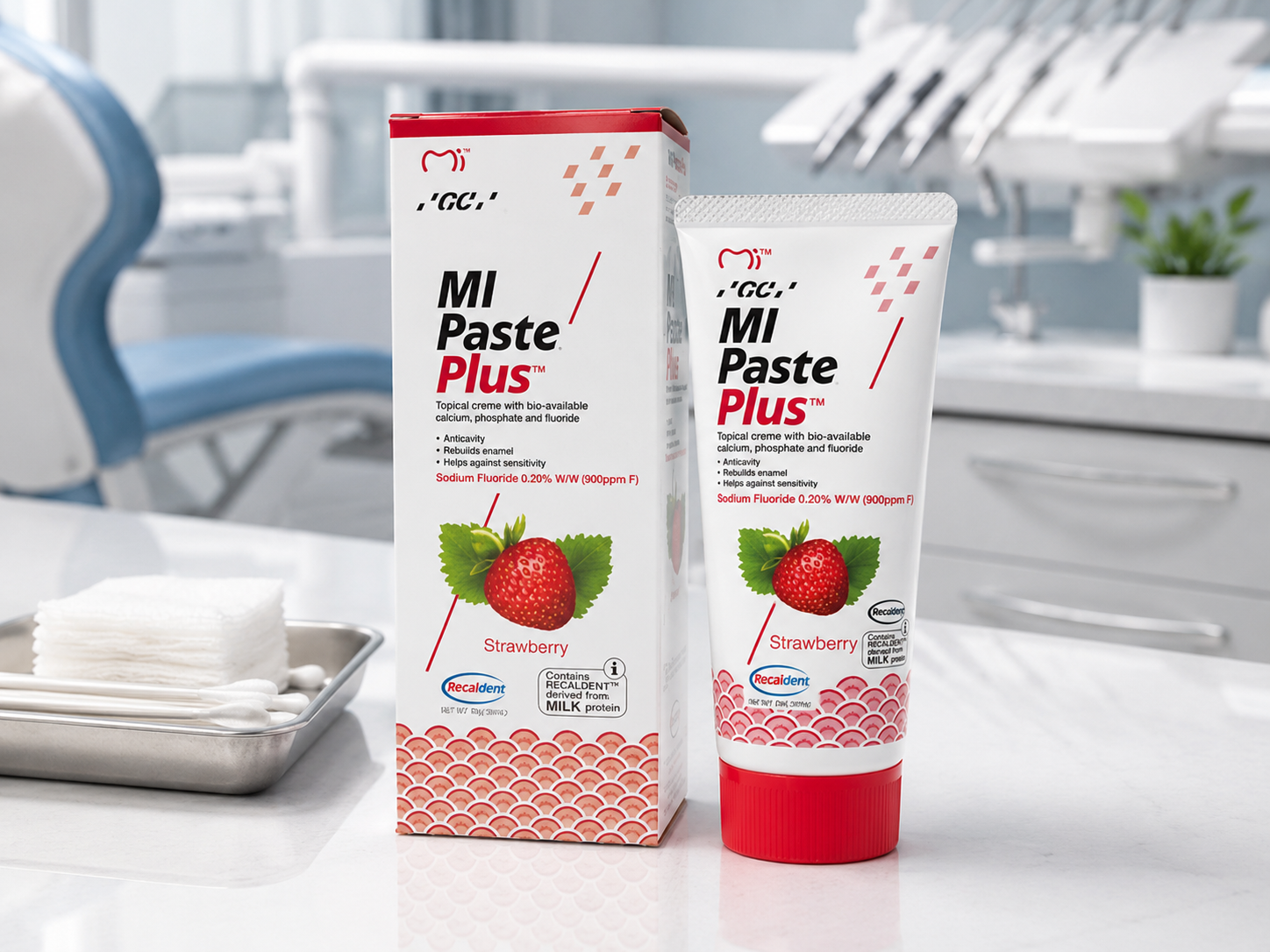
These minerals can support remineralization and may help reduce dentin hypersensitivity. In simple terms, the treatment can help make the exposed tooth surface less responsive and reduce the effect of open dentinal tubules.
3. Fillings or Bonding to Cover Exposed Dentin
Sometimes sensitivity is caused by a physical defect in the tooth, such as a worn or eroded area near the gumline.
In these situations, toothpaste alone may not be enough. A tooth-coloured filling or bonded restoration can be placed over the damaged area. This provides a physical barrier over the exposed dentin and seals the dentinal tubules from the oral environment, helping reduce the fluid movement responsible for sensitivity.
Restorative treatment can be particularly useful when there is a significant area of abrasion, erosion, or loss of tooth structure.
4. Laser Desensitizing for More Persistent Sensitivity
For selected patients with more severe or persistent dentin hypersensitivity, laser desensitizing may be considered when simpler measures have not provided sufficient relief.
Laser therapy is designed to modify the sensitivity response and, depending on the laser and clinical technique, may reduce fluid movement through exposed dentinal tubules or influence the nerve response associated with sensitivity. Reviews of the clinical research suggest that laser treatment can reduce dentin hypersensitivity, although results vary among studies and laser systems.
Morgan Heights Dental Centre has advanced micro laser technology, allowing laser-based treatment to be incorporated into care when clinically appropriate.
The important point is that laser treatment is not automatically necessary for every sensitive tooth. We begin by identifying the cause and choose treatment according to the severity of the sensitivity and the condition of the tooth.
Frequently Asked Questions
Does a sensitive tooth always mean I have a cavity?
No. Gum recession, exposed dentin, enamel wear, erosion, grinding, whitening, and other factors can all cause sensitivity without decay.
Why does cold water cause such a sharp pain?
Cold can cause rapid movement of fluid inside exposed dentinal tubules. According to the hydrodynamic theory, this movement stimulates the tooth's sensory system and produces a brief, sharp pain.
Can toothpaste permanently cure tooth sensitivity?
It depends on the cause. Desensitizing toothpaste can control many cases, but significant gum recession, tooth wear, cracks, or structural defects may require additional treatment.
When might a filling be used?
If dentin is exposed because tooth structure has been worn or lost, bonding or a tooth-coloured filling may cover and seal the sensitive area.
When is laser treatment considered?
Laser desensitizing may be considered for selected cases of persistent or severe dentin hypersensitivity after the cause has been properly diagnosed.
Have Sensitive Teeth Examined
If cold drinks, brushing, sweets, or even breathing cold air causes a sharp sensation in your teeth, an examination can help determine whether the problem is simple dentin hypersensitivity or another dental condition.
At Morgan Heights Dental Centre, we can assess the cause and discuss options ranging from desensitizing toothpaste and MI Paste to protective restorations and, in suitable cases, advanced laser treatment.
